

Ketamine made history in 2019 as the first psychedelic drug approved by the FDA for treatment-resistant depression. For people who had tried several antidepressant medication ketamine is a new option that actually worked. Ketamine could lift severe depression within hours, sometimes sooner than traditional antidepressant medication.
For decades, ketamine has been used as an anesthetic. It’s use as an antidepressant began as a sole intervention but more recently ketamine-assisted psychotherapy has emerged is as an intervention with the possibility of greater antidepressant effects. .Simply put, ketamine assisted psychotherapy is a structured treatment that pairs the medicine with regular talk therapy — before, during, and after each dose.
This article describes how ketamine assisted psychotherapy works.
What is Ketamine-Assisted Psychotherapy (KAP)?
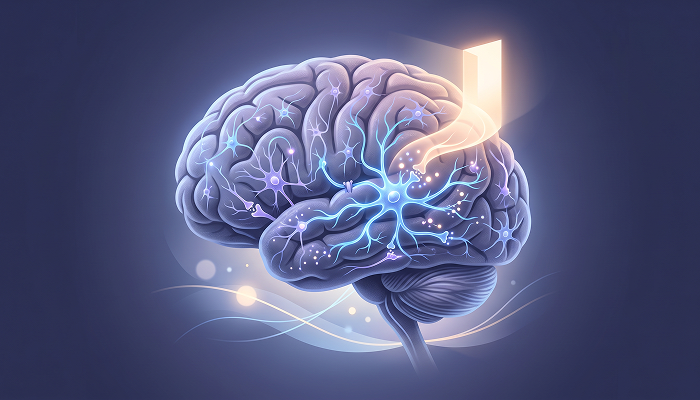
KAP combines low-dosed ketamine with structured psychotherapy. The dose is subanesthetic — well below what is used for anesthesia. The medicine opens a temporary “neuroplastic window” in the brain. The therapy helps you step through it. And the therapist’s role is to create the conditions for the experience, stay present throughout it, and support the patient in processing afterward.
| Ketamine-Assisted Psychotherapy | Ketamine Infusion Therapy | |
| Delivery | Sublingual lozenge | Intravenous Ketamine |
| Therapy role | Central — preparation, dosing, integration | Often absent |
| Set and setting | Therapist’s office, supporting environment | Clinical IV room |
| Where therapy happens | Before, during, and after the dose | Usually not coupled to the dose |
The Science Behind KAP
Ketamine works on brain systems that most antidepressants do not touch. It binds to NMDA receptors and nudges glutamate — a neurotransmitter involved in how brain cells form new connections. The downstream effect is a surge in BDNF, a protein that helps neurons grow [1]. Researchers call this a “neuroplastic window” – the brain’s ability to learn new things and rearrange itself, i.e.:
- seeing something from a different angle,
- breaking a thought pattern that has been running on autopilot for years.
giveThat matters in therapy because traditional talk therapy can rewire the brain’s old patterns to created new ones. Ketamine, on its own, opens the window. Therapy is what walks you through it.
A 2022 narrative review of KAP noted that the post-medicine window may be underused without therapeutic support [1]. With support, insights from the experience are processed, rehearsed, and integrated.
A 2026 systematic review echoed this finding, reporting that across studies, KAP was associated with reductions in depressive symptoms, some of which were sustained for months [2].
Conditions KAP Can Help With
| Treatment-resistant depression that has not responded to at least three antidepressant medications from different drug classes. |
| Post-traumatic stress disorder (PTSD), especially when flashbacks and hypervigilance interfere with day-to-day functioning. |
| Anxiety disorders (GAD & social anxiety) that haven’t shifted with standard care. |
| Obsessive-compulsive disorder (OCD) when obsessions feel locked in place. |
Because ketamine may not be a fit for people with active psychosis, certain cardiac conditions, uncontrolled blood pressure, or untreated substance use disorder, it is important to conduct a psychiatric evaluation before treatment begins.
If you have been meaning to talk to a mental health expert about this, this is a worthwhile conversation to have. Not every option is the right one. Some are just clearer when a professional helps you look at the picture.
What Does The KAP Process Look Like?
Phase 1: Preparation
First, you meet with your therapist before ketamine is involved. These sessions focus on setting intentions, building a trusting relationship with your therapist, and learning simple tools for staying present throughout the experience. Most programs do one to three of these before the first dose.
Phase 2: The Dosing Session
Your comfort and feeling of safety are the priority here. The session starts with you settling into a comfortable position, often with an eye mask and background music.
The ketamine is administered, and effects typically begin within minutes for a sublingual dose, peak over 40–60 minutes, then taper. Many people describe it as dream-like — imagery, emotional release, a sense of distance from everyday thought. Some get a pleasant heaviness. Others see colors.
The therapist stays in the room the whole time, and vital signs are monitored before and after the session.
Phase 3: Integration
This is where the durable change happens — revisiting imagery, exploring what surfaced, connecting insights to patterns you actually live. Most programs schedule at least one integration session between each dosing session. After the full course, the medical team checks in at least quarterly.
Considering Ketamine-Assisted Psychotherapy? Where to Start
If you have read this far and KAP sounds like something you want to know more about, the clearest next move is a conversation with a clinician. They will assess how your symptoms, history, and goals align with what KAP can offer. At Harbor Psychiatry & Mental Health, our team of psychologists and psychiatrists works with adults considering ketamine-assisted psychotherapy.
Contact us today to schedule a consultation in our Ketamine Clinic in Newport Beach or via telehealth.
Further Reading
References
[1] Drozdz, S. J., Goel, A., McGarr, M. W., Katz, J., Ritvo, P., Mattina, G. F., et al. (2022). Ketamine Assisted Psychotherapy: A Systematic Narrative Review of the Literature. Journal of Pain Research, 15, 1691–1709.
[2] Simpson, R. J., & Juruena, M. F. (2026). Effectiveness of ketamine-assisted psychotherapy as a treatment for treatment-resistant depression: A systematic review. Psychopharmacology, 243, 1801–1817.
